Grassroots conservatism in Black-majority cities during the long urban crisis
Grassroots conservatism in Black-majority cities during the long urban crisis
October 1, 2026
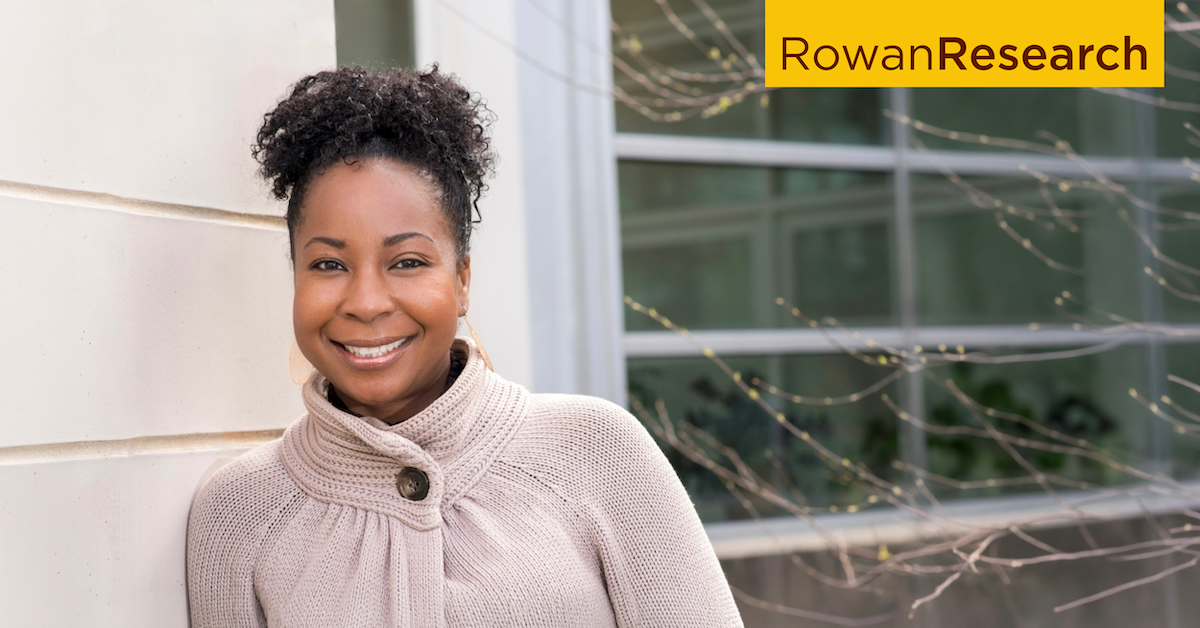
Associate Professor Chanelle Rose is a scholar of modern American history.
Chanelle N. Rose, Ph.D.
Historian
Areas of expertise:
African American history, civil rights-Black power, Black conservatism, tourism, African diaspora
Although historians have studied the motivations of self-identified, middle-class Black conservatives, they have often overlooked low-income African Americans who adopted conservative views on a range of social issues affecting declining central cities, according to Chanelle Rose, Ph.D., associate professor and former coordinator of Africana Studies at the Ric Edelman College of Communication, Humanities & Social Sciences.
In her current book, Beyond Boundaries: Black Grassroots Conservatism and the Long Urban Crisis (1960s to 1990s), Rose explores the urban crisis as a critical lens for examining the rise of grassroots conservatism among African Americans. Activists included anti-crime neighborhood groups, welfare recipients, pro-school choice supporters and public housing advocates.
Public housing activists, most of them women, took control of poorly managed public housing complexes, established businesses and advanced welfare-to-work initiatives that aligned with the post-1970s rightward turn toward welfare reform. “These women are trying to create jobs and employ women in daycare centers that are onsite so they can look for work while their children are being taken care of,” she said.
Activists also established schools and engaged in development with downtown business leaders. “They made all of these improvements, and they worked with conservatives to advance some of these changes,” she said.
The National Center for Neighborhood Enterprise, a Black-led conservative think tank, was instrumental in training and supporting these groups, helping them obtain funding and cultivating grassroots leadership, Rose explained.
“Their whole argument was that it’s not bureaucrats who are going to fix problems with crime, poverty or education. It’s not the elite. It’s the poor people themselves,” Rose said.
Rose is eager to bring to light the fullness, richness and complexity of these low-income Black reformers who have been overlooked or dismissed. “I wanted to show that they have their own agency—to show that these are political actors in their own right and they deserve serious scholarly attention,” Rose said.
Rowan University researchers are passionate about what they do. Find more at Meet Our Researchers.