From Mars to Absecon Bay: Students spend summer conducting hands-on research
From Mars to Absecon Bay: Students spend summer conducting hands-on research
August 4, 2026
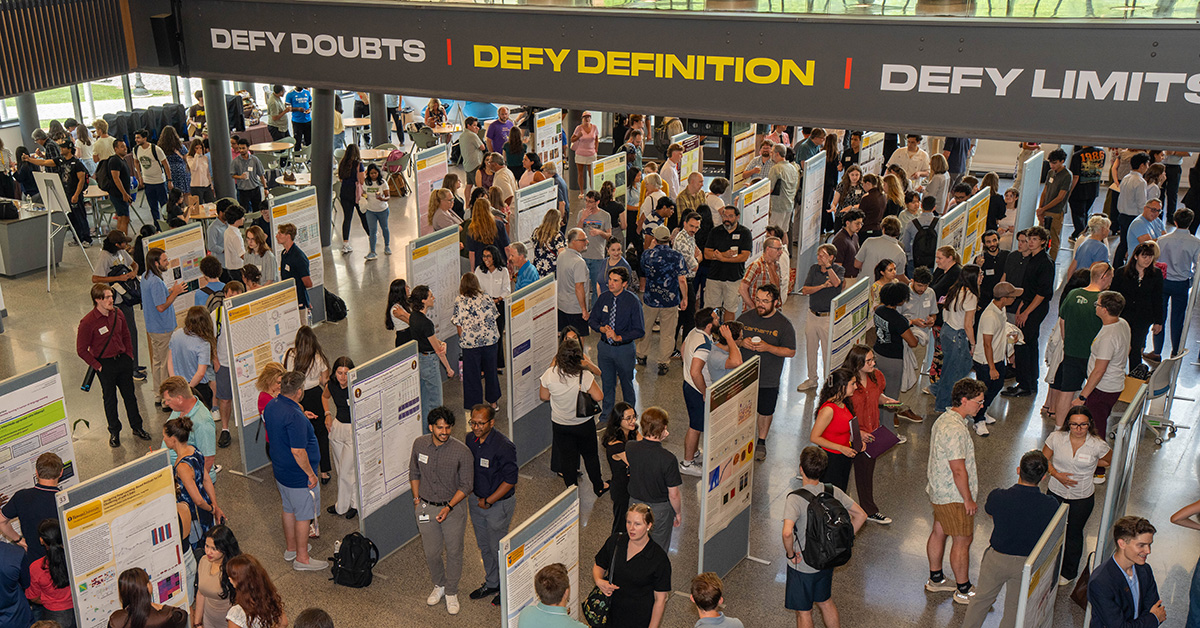
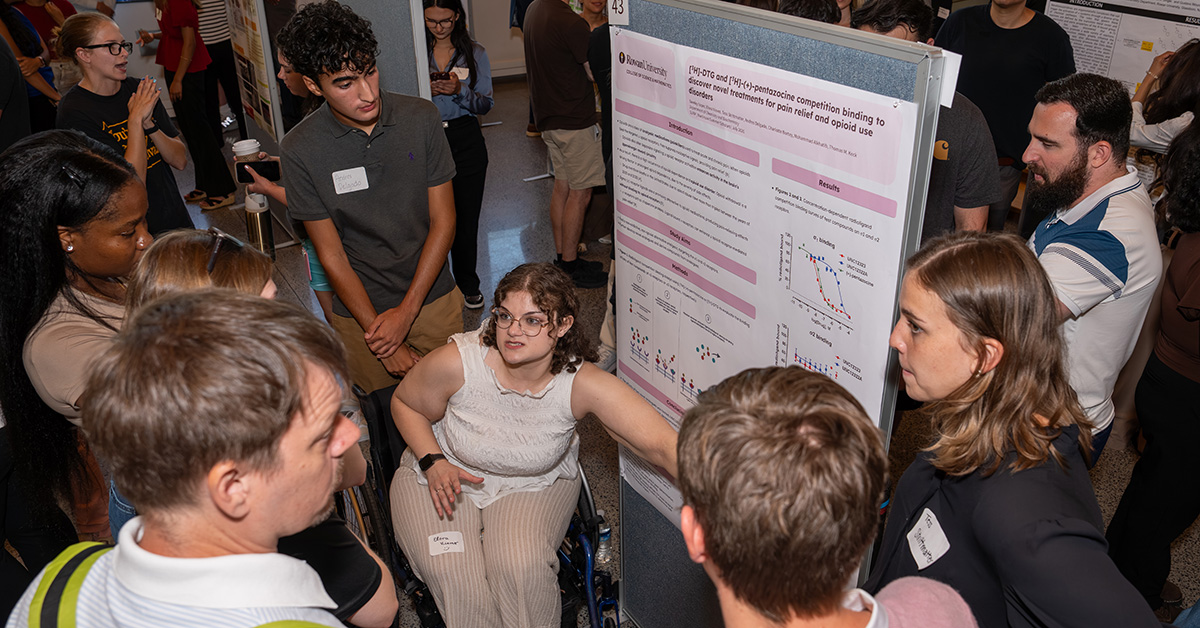
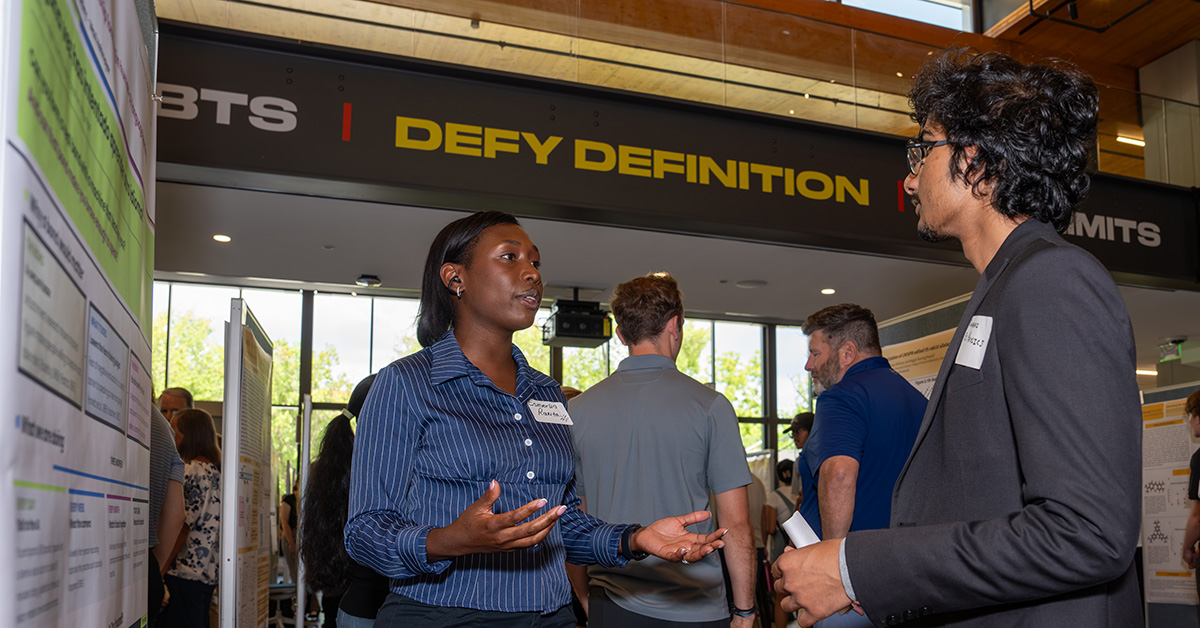
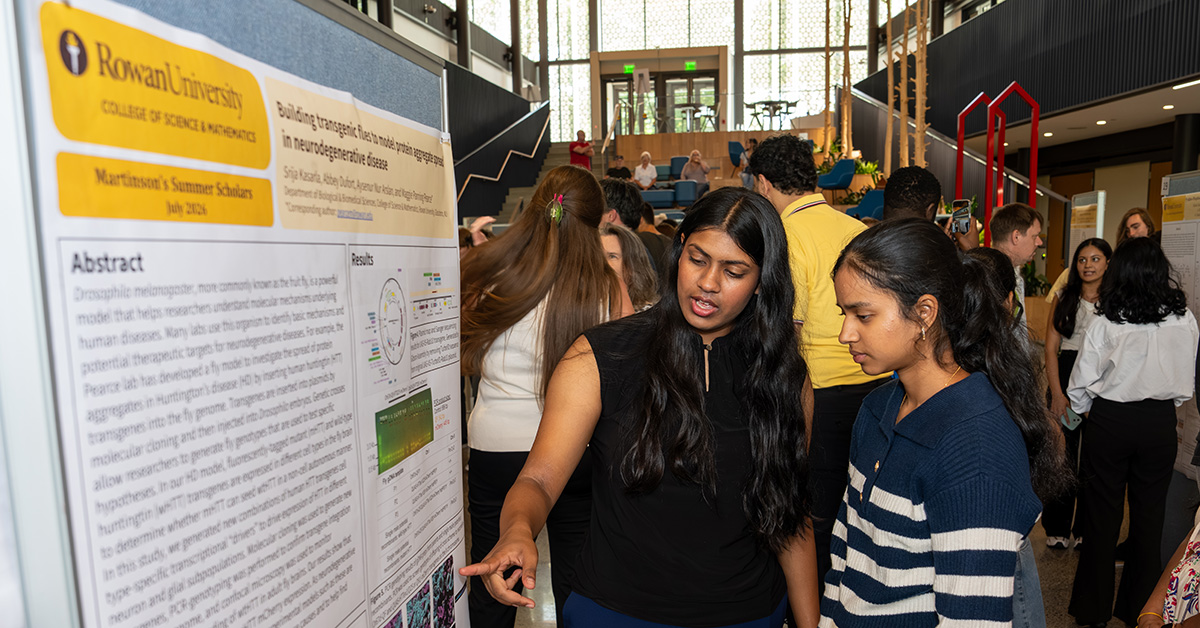
The Summer Undergraduate Research Program concluded July 29 with the presentation of 78 posters in the Student Center Expansion.
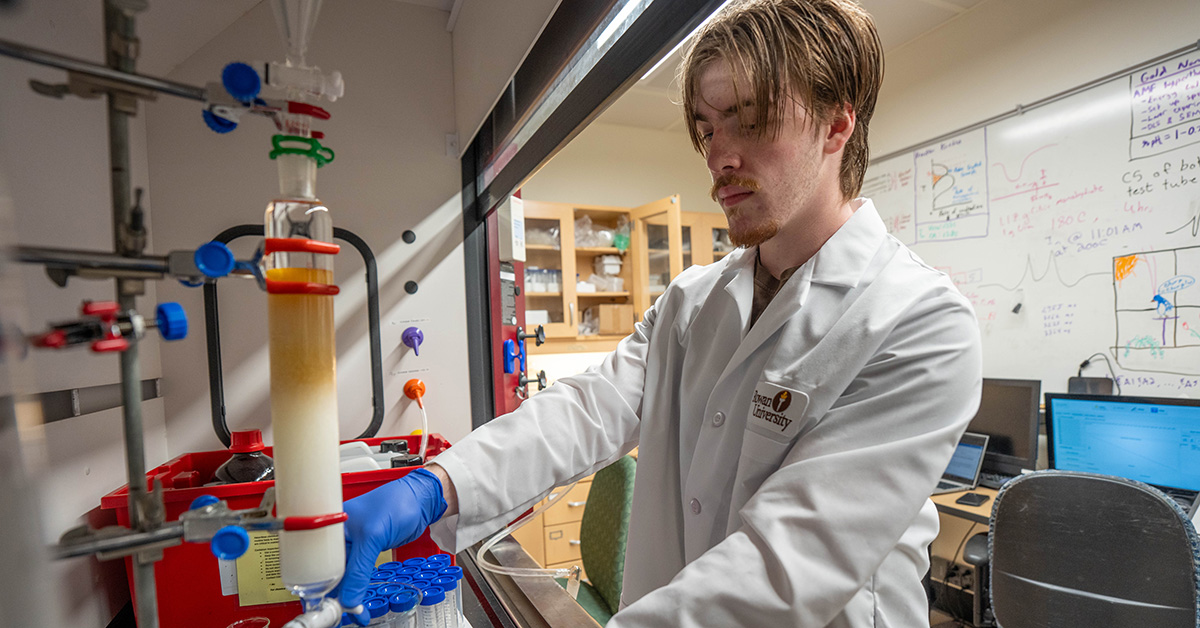
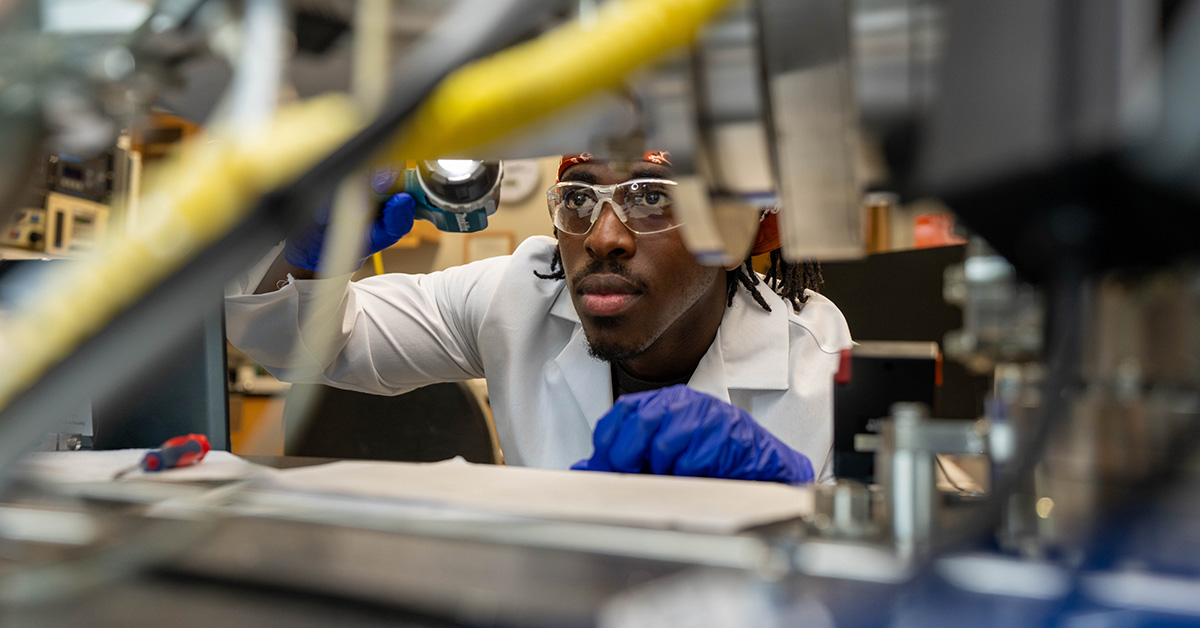
Deep in Science Hall this summer, physics seniors Tristan Edwards and Joe Westhusin ran experiments in the lab of Jeff Hettinger, Ph.D., aiming to develop new antibacterial coatings for implantable medical devices.
Undergraduates may spend six hours a week in the lab during a research-intensive course, but summer research students can spend 25 hours a week conducting experiments, Edwards noted.
“It’s been very good,” said Edwards, who plans to pursue a career in process engineering or the energy industry. “It really showed me what we would do with this stuff in the real world and how the information and skills we’ve gathered can be applied.”
More than 115 students rolled up their sleeves and gained firsthand experience during this year’s Summer Undergraduate Research Program, which included workshops, faculty talks and visits to Dreamscape Learn, the Ric & Jean Edelman Planetarium, the Edelman Fossil Park & Museum and more. The 10-week program concluded on July 29 with the presentation of 78 posters in the Student Center Expansion.
Many students were paid through the New Jersey Space Grant, federal funding tied to faculty research projects and departmental resources, said Jennifer Ravelli, associate dean of student affairs for the College of Science & Mathematics and the School of Earth & Environment. Others joined labs for course credit or to gain new skills.
“One of the things we strive to do is make research accessible to all students, regardless of their experience level,” Ravelli said. “Once we get them in the lab, they often find out they want to pursue a career in research because they’ve gained that hands-on experience.”
From planetary science and biomedical research to environmental monitoring and campus sustainability, students spent the summer tackling projects across a wide range of disciplines.
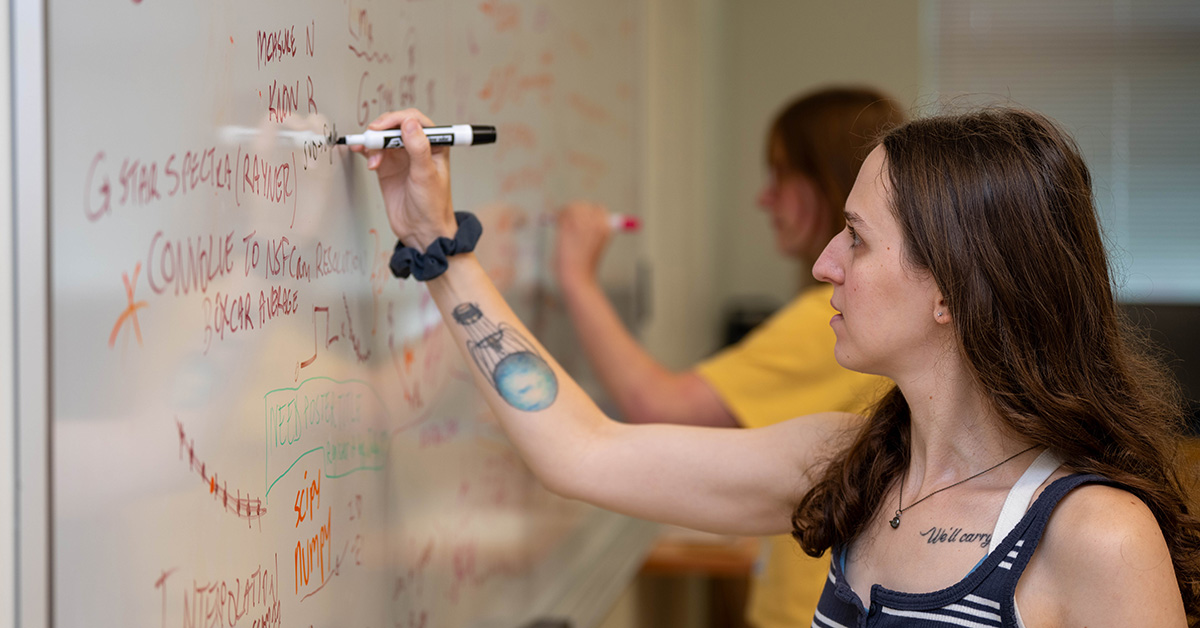
Senior Natalie Weslager and junior Michelle Goodman spent their summer coding alongside David Klassen, Ph.D. Using NASA data collected from instruments orbiting Mars, the team employed a math-intensive method to study the planet’s atmosphere.
“We’re trying to study the water ice clouds on Mars,” said Weslager, a physics major. “We want to see the clouds from space, but what we’re seeing are clouds and the ground. We don’t want both.”
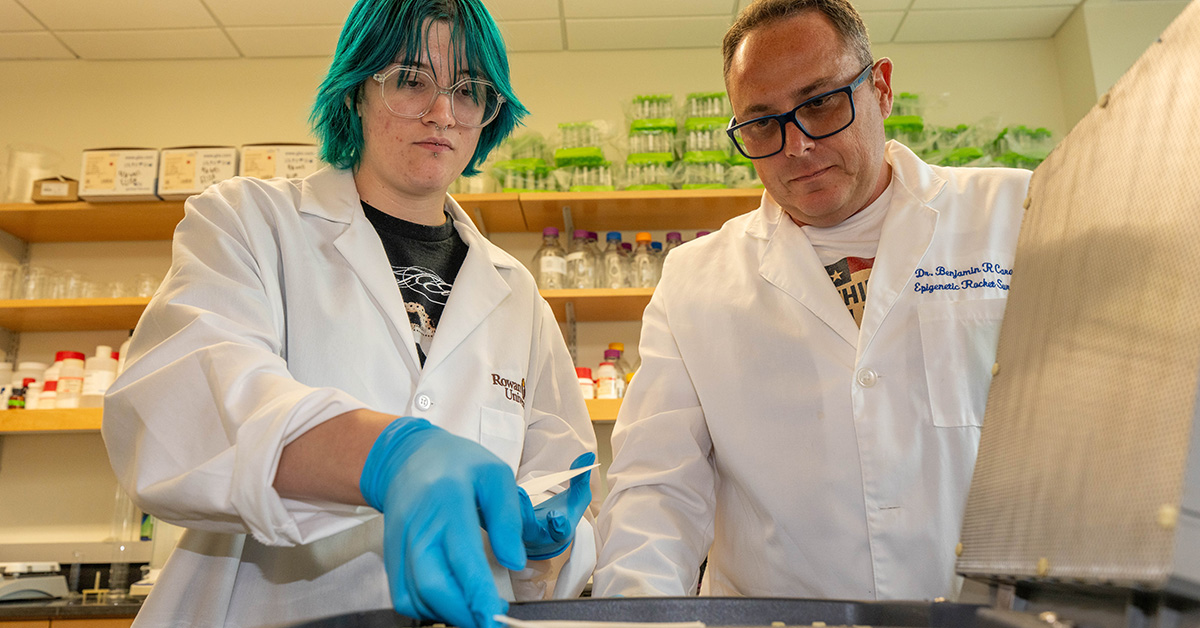
In the Department of Biological & Biomedical Sciences, senior Eli Strosser measured protein expression from different organs in mouse models with guidance from Benjamin Carone, Ph.D. As the longest-serving undergraduate in the lab, Strosser can perform any of the experiments underway in Carone’s lab.
“I get to pick the projects I want to do,” said Strosser, a molecular and cellular biology major.
Pre-med major Elora Nieves happily volunteered up to 30 hours a week to work this summer in the lab of Thomas Keck, Ph.D., as the team looked for a potential pain-relieving alternative to addictive opioids.
“I genuinely feel like it made me smarter,” Nieves said. “I learned more working here than I did in three years of biology classes. It’s so different to have experiential knowledge than it is to have theoretical knowledge. And it’s been more fun to apply it, too.”
Biomedical engineering major Tess Strittmatter had little practical experience before joining Keck’s lab this summer for course credit.
“It really painted a much clearer picture of what the day-to-day activities look like,” Strittmatter said. “I’ve gotten a lot more familiar with general lab protocols, which I think is a really good skill to have.”
Physics and math major Albert Paramito spent his sophomore summer synthesizing fluorescent nanoparticles through two methods: one with traditional chemicals and one with chicken feather waste from a graduate student’s farm.
Part of federally funded research in the lab of Nicholas Whiting, Ph.D., the work aims to one day improve crop yields through photosynthesis enhancement.
Computer science major Tess Errickson and recent biological sciences graduate Neve Boudreau worked with Sara Wright, Ph.D., to more than double the dataset on Rowan’s Glassboro trees. Their goal was to assess the health and diversity of trees across the Rowan Arboretum & Gardens.
“A biodiverse campus is a healthy campus,” said Boudreau.
The project allowed Errickson to apply the analytical skills she has learned in her computer science classes, while also getting outside.
“The arboretum has given me a chance to find a balance in my studies,” Errickson said.
Biological sciences major David Espin joined the lab of Thivanka Ariyarathana, Ph.D., to process soil and water samples collected from Absecon Bay, near Atlantic City. Interested in pursuing a career in marine biology, Espin spent 25 hours a week processing, analyzing and recording the data, which found concerning levels of copper and manganese.
If he wasn’t gaining paid research experience this summer, Espin said he would have worked more hours at his other job as a building manager at Rowan’s Recreation Center.
“I need to pay rent,” Espin said with a grin.