Q&A: Dr. Elizabeth Cerceo on why climate health is becoming essential to medicine
Q&A: Dr. Elizabeth Cerceo on why climate health is becoming essential to medicine
August 20, 2026
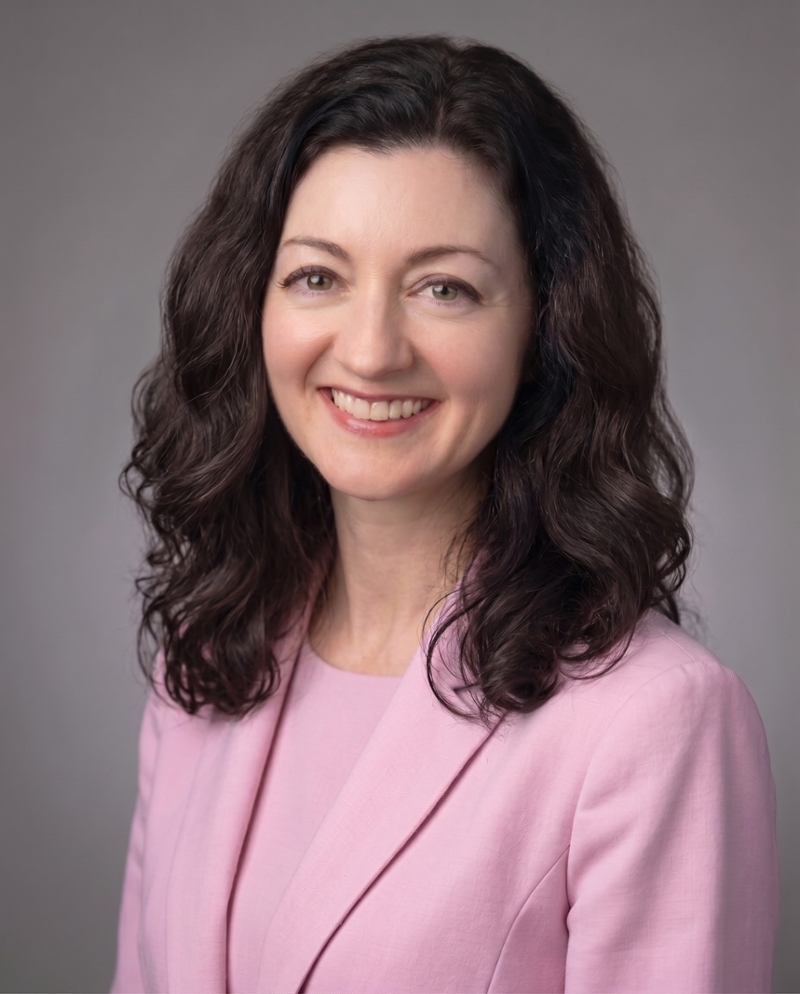
From wildfire smoke and extreme heat to air pollution and microplastics, environmental factors are increasingly shaping human health. At Cooper Medical School of Rowan University (CMSRU), Dr. Elizabeth Cerceo is helping lead a growing movement to ensure future physicians understand those connections.
A professor of medicine and executive director of climate health at CMSRU and hospitalist at Cooper University Health Care, Cerceo studies how environmental conditions affect disease, patient outcomes and public health. Her work spans research, education and advocacy, from investigating links between air pollution and stroke risk to integrating climate-health concepts throughout the medical school curriculum.
In this Rowan Today Q&A, Cerceo discusses why environmental health belongs in every medical specialty, how climate-related risks are affecting South Jersey residents and what gives her hope for the future.
Q: When people hear "climate health" or "environmental health," they often think of activism rather than healthcare. What does environmental health mean in a clinical setting?
Cerceo: Environmental health has always been part of medicine. Historically, physicians paid close attention to the conditions in which people lived, worked and raised their families. Over time, as healthcare became more specialized and hospital-based, we focused more on treating illness after it occurs rather than preventing it.
But what is happening in our environment directly affects our bodies.
When wildfire smoke from Canada reaches South Jersey, those particles don't simply stay in the atmosphere—they enter our lungs and our bloodstream. Air pollution triggers inflammation throughout the body, increasing the risk of respiratory disease, cardiovascular disease and even neurological conditions.
What many people don't realize is that air pollution is now considered one of the leading contributors to disease and death globally. Environmental factors influence everything from asthma and heart attacks to heat-related illness and infectious disease. We need to think about those factors as part of everyday patient care.
Q: What inspired you personally to connect environmental issues with medicine?
Cerceo: I've been interested in the environment for as long as I can remember. My father is a chemist and growing up he would collect samples of acid rain. At the time, that was a major environmental concern, and it helped create an awareness that what happens in our environment ultimately affects us.
As I progressed through medical training, I saw climate and environmental issues as enormous problems that seemed impossible for one person to solve. What changed for me was realizing that healthcare could be part of the solution.
If we can make healthcare more sustainable, educate future physicians and help patients better understand environmental risks, we're making meaningful progress. Sometimes it starts with improving one system, one course, one project. Those small steps create pathways for others to follow.
Q: How are environmental factors affecting patients in South Jersey today?
Cerceo: We're already seeing the effects.
Air-quality alerts resulting from Canadian wildfires and urban fires have had direct impacts on vulnerable patients in our region. During poor air-quality events, emergency departments often see increases in patients with respiratory conditions such as asthma and COPD.
Heat is another major concern. Many people assume floods or hurricanes cause the most weather-related deaths, but extreme heat is actually the deadliest weather hazard.
The Northeast is particularly vulnerable because our bodies must rapidly adjust from relatively cool winters to increasingly hot summers. The first significant heat wave of the season is often the most dangerous because people have not yet acclimated.
In Camden and other urban areas, factors such as heat islands can make temperatures even more dangerous. For patients with heart disease, respiratory conditions, pregnancy or other health challenges, those environmental stressors can have serious consequences.
Q: You've become a national leader in climate-health education. How is CMSRU preparing future physicians?
Cerceo: We're working very intentionally to make climate health a thread that runs throughout the entire medical curriculum.
This content shouldn't exist in a single lecture or course. Environmental factors affect nearly every medical specialty. When students learn cardiology, they should understand links between air pollution and heart disease. When they learn neurology, they should learn about stroke risks associated with air pollution. In infectious disease, they should understand how changing environmental conditions influence vector-borne diseases.
We're also seeing tremendous student interest. Through our Climate Health Scholarly Concentration, students complete additional research and training focused on these issues. Many have produced impactful research that is helping advance the field.
Beyond medical students, we're developing a Climate Health Certificate program designed for healthcare professionals who want to learn more about environmental health and sustainability.
Just as important, we're educating faculty. Many practicing physicians were never taught this material in medical school, so professional development is essential.
Q: Your research covers everything from air pollution to hospital sustainability. What recent finding stands out to you?
Cerceo: One of the most encouraging findings came from a study we conducted with hospital patients in Camden and Maine.
We asked whether patients believed factors such as air pollution and heat affected their health. More than 80% said yes.
That tells us people recognize these risks. The challenge is helping them access practical information and tools that allow them to protect themselves and their families.
As physicians, we need to think carefully about communication. How do we provide evidence-based information in ways that are understandable, actionable and meaningful? That's becoming increasingly important in healthcare.
Q: Healthcare itself has a significant environmental footprint. How can hospitals become part of the solution?
Cerceo: Healthcare contributes a sizable share of greenhouse-gas emissions and generates a tremendous amount of waste.
Fortunately, there are opportunities to improve patient care while reducing environmental impacts.
One example is the "Gloves Wisely" initiative. During and after COVID, glove use increased dramatically, often in situations where gloves weren't necessary. Excessive glove use creates waste and can actually reduce proper hand hygiene because people develop a false sense of protection.
By encouraging appropriate glove use, health systems can reduce waste, lower costs and improve infection-control practices at the same time. That's what I call a triple win.
At CMSRU, students are also leading sustainability initiatives, including clothing and item exchanges and creative recycling projects that keep materials out of landfills.
Q: What can families do today to reduce climate-related health risks?
Cerceo: Awareness is the first step.
Pay attention to air-quality alerts and extreme-heat warnings. Resources such as AirNow.gov and government heat-safety tools can help people make informed decisions about outdoor activities.
Talk with your physician if you have underlying conditions that may increase your risk during heat waves or poor air-quality events.
And remember that some populations are especially vulnerable, including older adults, children, pregnant individuals and people with chronic illnesses. Looking out for neighbors and loved ones is an important part of protecting community health.
Q: What gives you hope about the future?
Cerceo: More people are talking about these issues.
Students, healthcare professionals and members of the public increasingly recognize that environmental conditions influence health. Once people understand those connections, they often see how intuitive they really are.
I'm especially encouraged by younger generations. Today's students want to make climate health and sustainability part of their future careers. That enthusiasm gives me hope that healthcare will continue evolving toward a more preventive, environmentally informed model of care.
As physicians, our mission is to keep people healthy. Understanding the relationship between the environment and human health is an essential part of that mission.