Engineering nanotechnologies to improve patient outcomes
Engineering nanotechnologies to improve patient outcomes
May 14, 2026
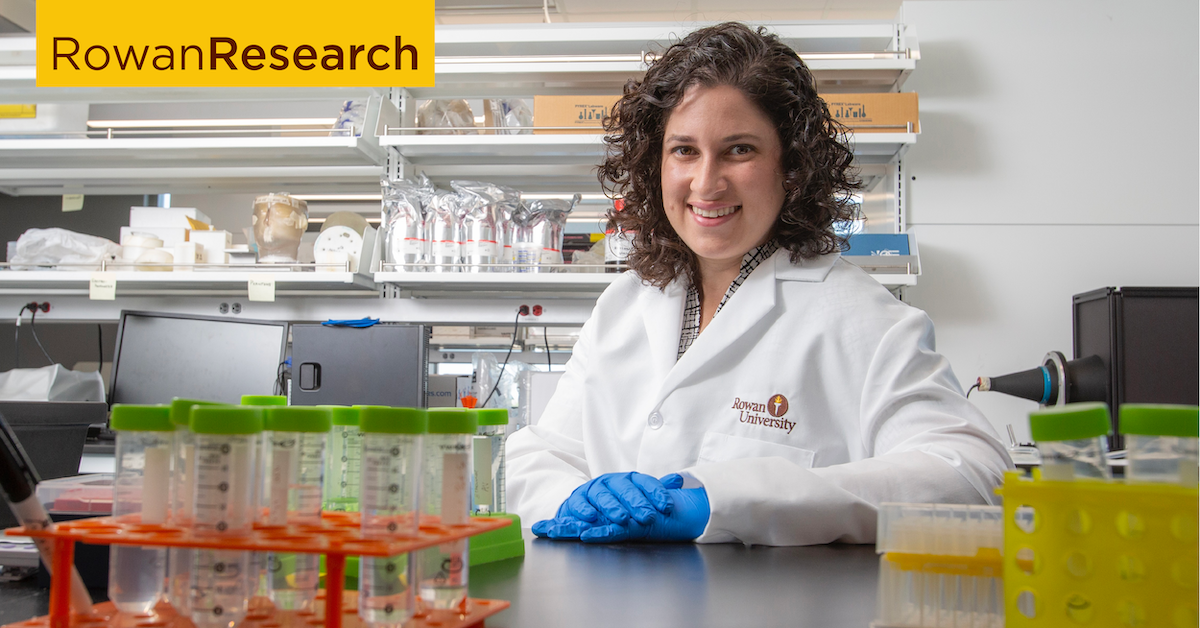
Biomedical engineer Rachel Riley develops nanoparticle drug delivery systems to improve treatments for pregnancy complications such as preeclampsia, as well as gynecological and pediatric cancers.
Rachel Riley, Ph.D.
Biomedical engineer
Areas of expertise:
Drug delivery, nanotechnology, gene therapy, diseases of pregnancy
Complications of pregnancy, such as preeclampsia and related hypertensive disorders of pregnancy, are potentially life-threatening conditions that contribute to rising maternal and infant mortality rates in the United States with substantial health disparities.
Yet, because such disorders are poorly understood, few treatment options exist due to concerns about pregnancy risks during clinical trials.
Rachel Riley, Ph.D., an assistant professor in the Department of Biomedical Engineering in the Henry M. Rowan College of Engineering, explains, “This has left pregnant patients and their physicians with few treatment options, a lack of studies evaluating safety of medications during pregnancy, and a limited understanding of pregnancy complications.”
The same problem plagues providers treating many gynecological and pediatric cancers. Often, such cancers are treated with aggressive therapies, which can lead to lasting consequences for reproductive health.
To advance new cancer therapies and treatments for diseases of pregnancy, such as preeclampsia, Riley’s lab uses lipid nanoparticles (LNPs) to precisely deliver drugs to target specific tissues and cells for treatment. LNPs are tiny, fat-based particles that act as carriers for powerful therapeutics like nucleic acids, such as for gene therapy, or chemotherapies.
“Our work focuses on designing multifunctional nanoparticles that deliver treatment precisely where it’s needed—targeting tumors while sparing healthy tissue,” Riley says. “By using nanoparticles both as drug carriers and as active therapeutic tools, we’re working toward cancer treatments that are not only more effective, but also safer for patients’ long‑term health and future fertility.”
“At the core of our lab’s mission is the idea that how a nanomaterial is designed ultimately determines where it goes and what it does in the body,” Riley adds. “This work helps us design smarter delivery systems for cancer, and ultimately opens the door to safer therapies for conditions where precision matters most, including diseases treated during pregnancy.”
Rowan University researchers are passionate about what they do. Find more at Meet Our Researchers.
Any opinions, findings and conclusion or recommendations expressed in this material are those of the authors and do not necessarily reflect the views of the NSF.