Astronomer returns from Chilean expedition with tales of awe
Astronomer returns from Chilean expedition with tales of awe
May 21, 2026
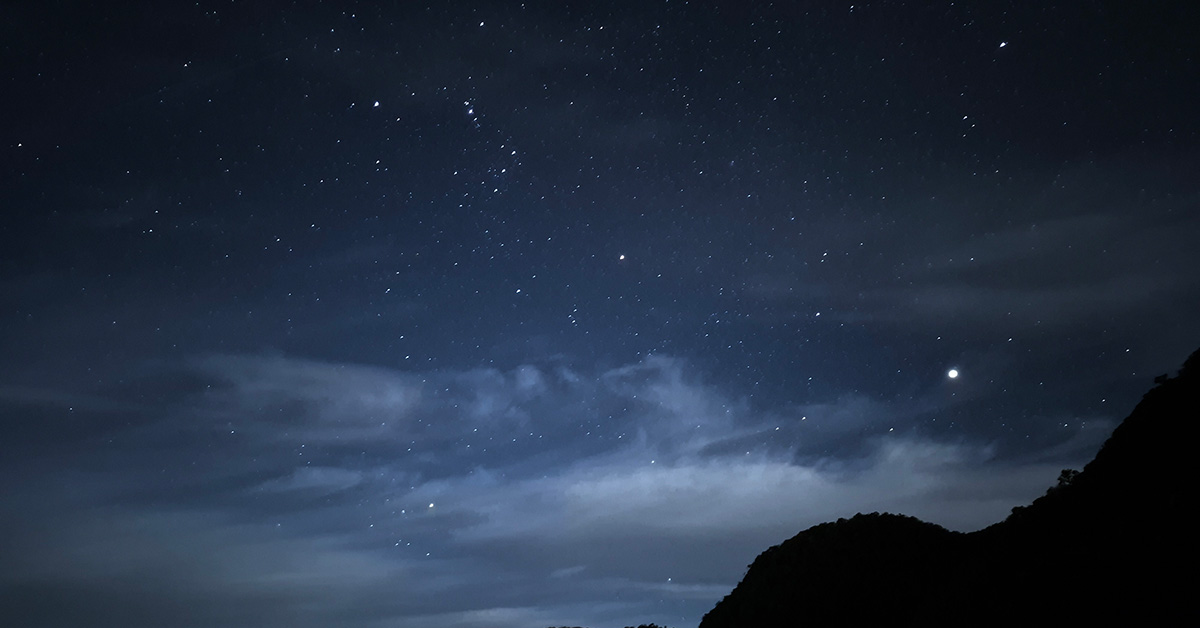
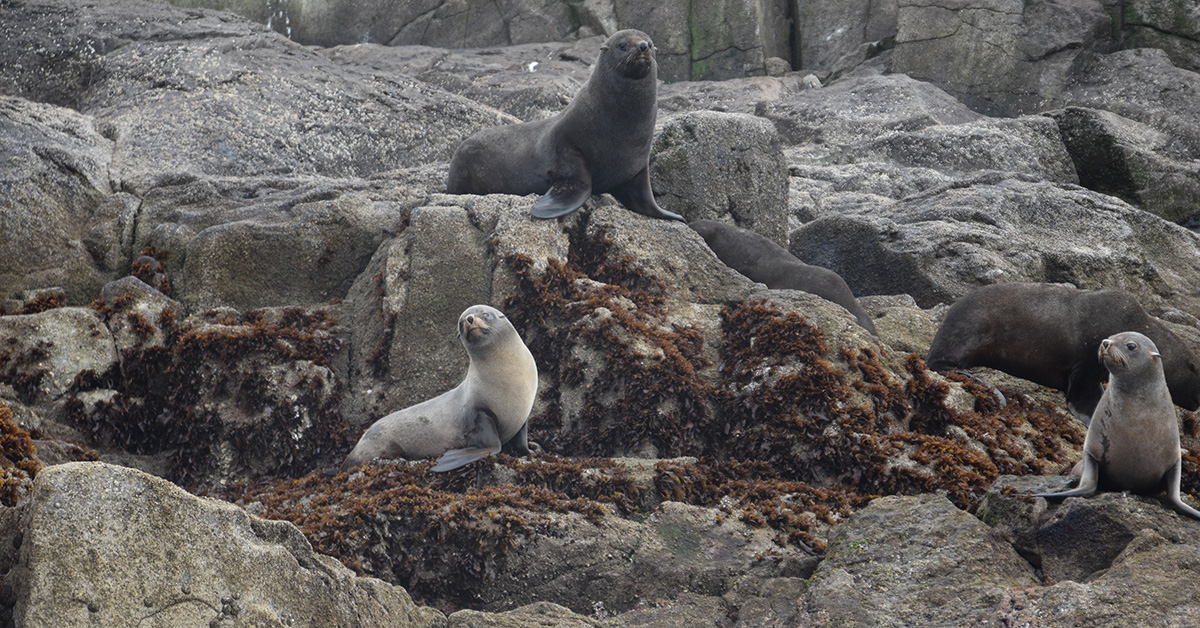
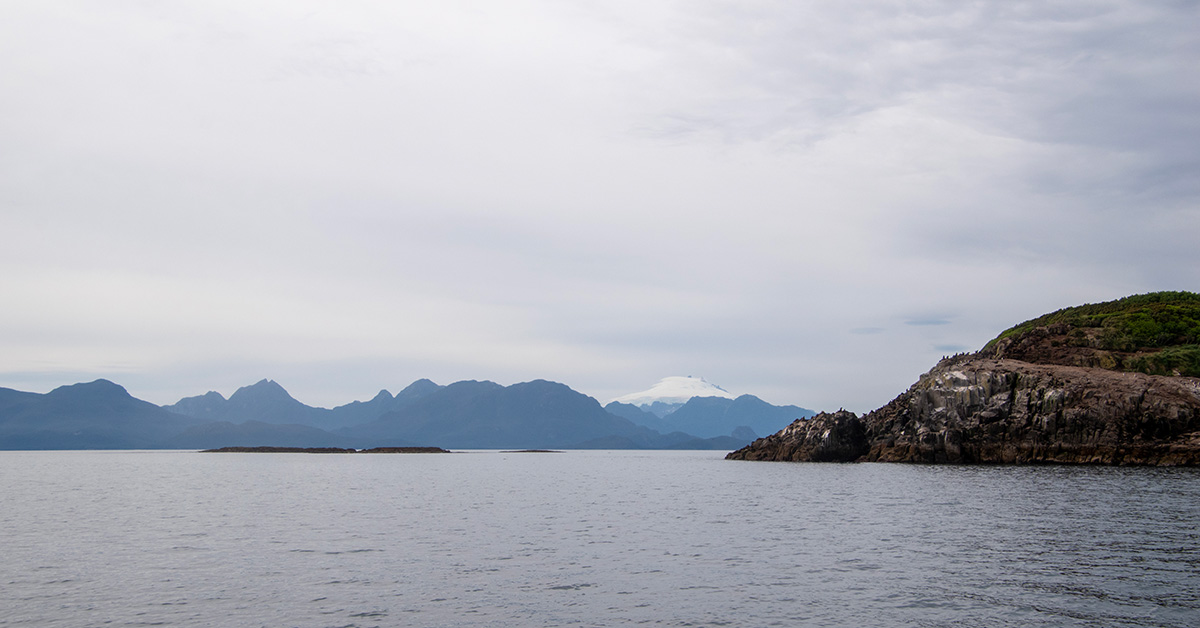
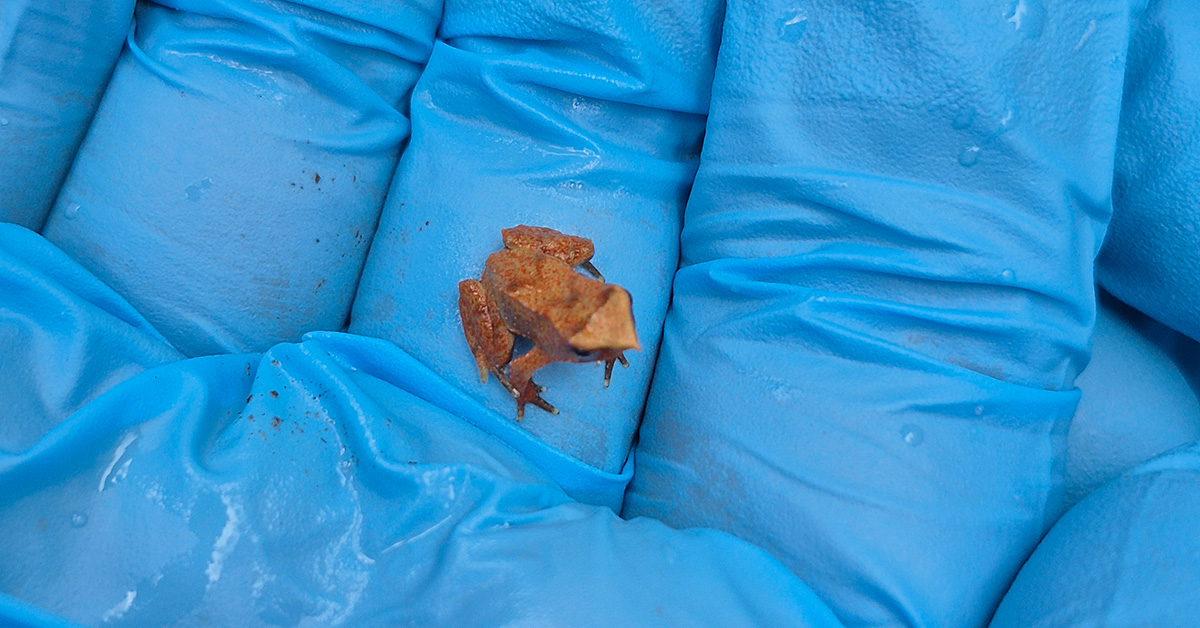
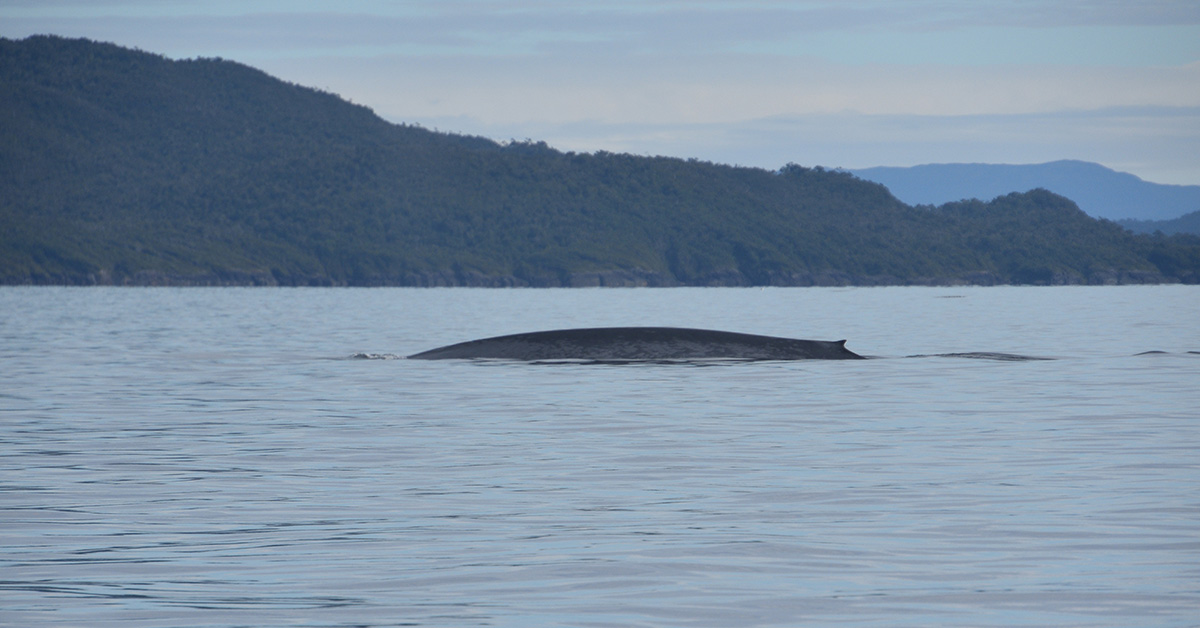
The nighttime sky in Chile reveals an upside down view of the constellation Orion. Below, Sea lions, a blue whale, a tiny Darwin's frog, and the Melimoyu volcano inspire awe in visitors to a conservation area in Chile.
It took Amy Barraclough three days of travel by plane, van, ferry and boat to reach the protected evergreen forests of Chile this spring as part of an outdoor education program.
But when she finally arrived, the Rowan University astronomer discovered a new perspective on her favorite constellation to share with her audiences in South Jersey.
“I knew that being below the equator, I would see Orion upside down, but nothing actually prepared me for the experience of seeing it upside down with my own eyes,” Barraclough said. “My sense of the universe was completely upended.”
As director of the Ric & Jean Edelman Planetarium, Barraclough was part of a small cohort of educators, scientists and environmental leaders selected as 2026 Nature Guardians by Mission Patagonia, a collaborative project between Associated Universities Inc. and Melimoyu Elemental Reserve. The group spent 10 days in Chile, where they explored a privately protected conservation forest amid volcanoes, glaciers and fjords.
Upon their return, Nature Guardians are asked to translate their Patagonia experiences into teaching, storytelling and community engagement to inspire environmental stewardship and place-based learning in their own regions.
Interested in preserving dark skies and reducing the harmful effects of excessive artificial light, Barraclough sought the experience so she could inspire and teach others. During a senior capstone class for environmental science majors in April, Barraclough projected immersive photographs on the planetarium’s dome and shared experiences from her journey.
“Conservation isn't just for environmental scientists—it's for everyone,” Barraclough said. “As an astronomer, I wanted to protect the Earth because it's the only planet in the known universe that can support life. I applied to Mission Patagonia to learn what I can do to protect this incredible planet that we call home.”
She brought back stories about spotting two blue whales, the world’s largest animal, and holding tiny Darwin’s frogs in her gloved hand. Threatened by human activity and impacts on their habitats, both endangered species have sparked conservation efforts, Barraclough said.
Daniel Jasinski, a 2026 environmental science graduate who attended the talk, said he didn’t expect to hear an astronomer share stories about protecting the planet. But he could appreciate how a sense of awe can motivate humans to act.
“I was really impressed by the connections—the people from Chile and all over America and different universities across the world—and how it all brought them together,” Jasinski said.
The Ric & Jean Edelman Planetarium is a premier destination for astronomy education and public engagement in southern New Jersey. Located on Rowan University’s campus, the planetarium offers immersive planetarium shows, interactive programs, and special events that spark curiosity and inspire a lifelong love of science. Its facilities include a cutting-edge digital dome and a 0.4-meter research observatory, allowing visitors to explore the universe up close.
Serving more than 35,000 guests annually, including thousands of students who attend free thanks to its founders, the planetarium is committed to making the wonders of the cosmos accessible to all.