Wearable cameras capture device-related distraction
Wearable cameras capture device-related distraction
April 16, 2026
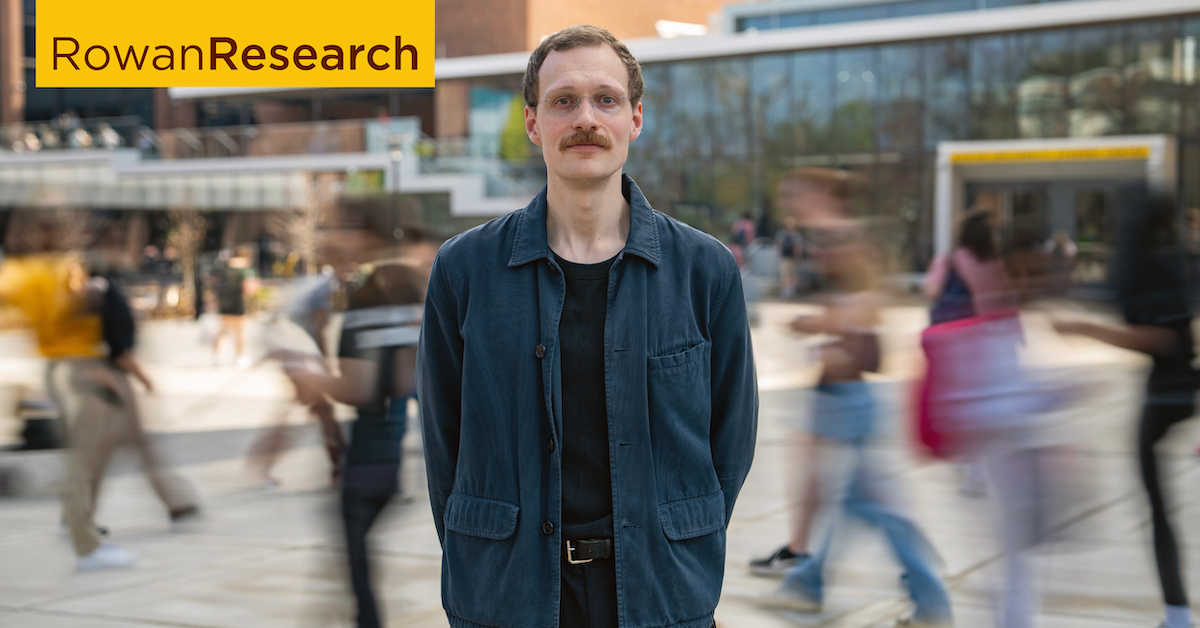
Maxi Heitmayer studies human-computer interaction, examining how people experience and engage with digital technologies, including smartphones and social media.
Maxi Heitmayer, Ph.D.
Human-computer interaction scholar
Areas of expertise:
Digital social norms, technology habits, attention economics
How many messages do you send with your smartphone? How much time do you spend on Instagram or TikTok? Using first-person wearable cameras, Maxi Heitmayer records how people really use their devices.
“From my experience of watching hours of footage, even if you wanted to give me the correct answer to the question of what you do on your phone, you couldn't,” said Heitmayer, assistant professor of psychology in the College of Science & Mathematics.
People often blame their phones for distracting them but most of the time, Heitmayer found, it’s the users themselves checking their phone.
“If you pick up your phone to respond to a message, you are bombarded with a variety of different inputs,” he said. “What participants report is that you often find yourself still on the phone after five minutes, asking, ‘What am I doing?’”
There is no easy fix to this problem, Heitmayer said, “because the problem is not within the device. The problem is human-centered, and we need to put the human in the center of the discourse.”
Although Heitmayer isn’t a fan of the term “smartphone addiction,” he noted that problematic device use has negative effects that range from sleep deprivation and destruction of human capital to feelings of self-blame.
Long-term solutions to smartphone overuse are likely to involve not only regulatory policies but also societal norms, Heitmayer explained.
“As both individuals and a society, we have to make a decision on how we want to spend our lives with technology,” Heitmayer said.
Heitmayer’s method of recorded video and elicited interviewing allows participants to reflect on that decision. After recording, participants review the footage and try to reconstruct the thoughts and emotions influencing device use.
“If you see your own behavior with these devices and realize what you’re doing,” Heitmayer said, “it has enormous transformative potential.”
Rowan University researchers are passionate about what they do. Find more at Meet Our Researchers.